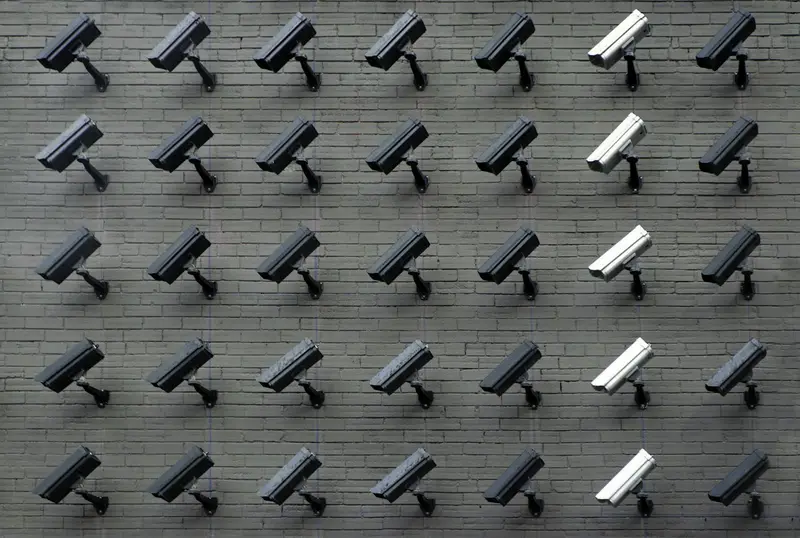
Short answer: Since 1 April 2026, internet-connected CCTV cameras can only be sold in India if the model has been tested and certified against the government’s security requirements. This is a rule about selling new cameras. The cameras already on your walls are not banned. If you are buying new cameras, ask the seller for the certificate for that exact model. If you already have cameras, keep them, and spend ten minutes on basic security: change default passwords, update the firmware and check who can view them remotely.
What changed for CCTV cameras in India?
The Ministry of Electronics and Information Technology (MeitY) notified “Essential Requirements” for the security of CCTV cameras in a gazette notification dated 9 April 2024. It added these security requirements to the existing compulsory registration rules for electronics. Security testing is done through STQC (Standardisation Testing and Quality Certification), a government body under MeitY.
Sellers were given time to clear older stock. News reports say existing stock could be sold until 31 March 2026. From 1 April 2026, an internet-connected CCTV camera that does not meet the requirements cannot be sold in India.
The aim is security. Testing looks at things such as how the camera handles logins, encryption, access control and stored data, so that cameras are harder to break into remotely. News reports said more than 500 CCTV models had already been certified before the deadline.
Which cameras does the rule cover?
The security requirements are aimed at CCTV cameras that connect to a network or the internet, such as IP cameras and cameras you can view from a phone app. They apply to cameras sold in India.
Industry guides say MeitY has clarified that analog cameras, which do not connect to a network, are outside these security requirements. Analog cameras still need the standard BIS registration that applies to CCTV products.
In practice, a camera model is tested for security (STQC issues the security test report), and the manufacturer then registers the model with BIS, the Bureau of Indian Standards. BIS registration also covers CCTV recorders. If you are buying a new recorder, ask the seller which certification applies to that model.
Do I have to replace my existing CCTV cameras?
No. The rule controls what can be sold from 1 April 2026. Reporting on the rule says there is no nationwide order to remove cameras already installed in homes, shops or offices. Your existing system can keep running.
Some articles have described the change as a “ban” on certain brands. The government has not announced any brand ban; the rule applies the same test to every camera sold. A camera without a certificate simply cannot be sold new.
What is worth doing is checking that your current system is set up safely. The same security problems the rule is meant to fix, such as weak passwords and outdated software, can affect any older camera.
What should I check before buying new CCTV cameras?
Use this short checklist with any seller or installer, including us.
- Ask for the certificate for that exact model. A brand having some certified models does not mean every model is certified. Ask for the certificate or the listing that matches the model number on your quote.
- Check it yourself. STQC publishes certified products on its website (stqc.gov.in). Match the model number.
- Ask about firmware updates. Firmware is the software inside the camera. Ask whether the maker still releases updates for this model, and how updates are installed.
- Change default passwords on day one. Every camera, the recorder and the phone app should have its own strong password, not the factory one. Make sure your installer does this before handover and gives the passwords to you.
- Ask who will have remote access. Know which phones and people can view your cameras, and how to remove someone, for example a former employee.
- Get the model numbers in writing. Your invoice should list the exact camera and recorder models supplied. This makes it easy to check certificates and find updates later.
What should I do with the cameras I already have?
Keep using them, and do these simple checks:
- Change any default or shared passwords on the cameras, the recorder and the viewing app.
- Update the firmware if the maker offers an update for your model. If you are not sure how, ask the person who installed the system.
- Review remote access. Remove phones or user accounts that no longer need access.
- Check that recording works. Play back footage from a few days ago on each camera, so you know the system records when it matters.
- Note your model numbers. This helps you find updates now and plan an upgrade later.
When a camera fails, gives unclear footage, or no longer gets updates, replace it with a certified model. You do not have to replace the whole system at once; you can upgrade in stages, camera by camera.
How do I check if a camera model is certified?
Start with the seller: ask for the security certificate or test report for the model number you are buying. Then check the certified product information on the STQC website. If the model number is not listed and the seller cannot show a certificate, ask for a different model.
How MGK Unified can help
MGK Unified supplies, installs and configures CCTV cameras in Chennai from our office in Madipakkam, for offices, clinics, shops and homes. We work with CCTV brands including CP Plus and Prama. Before we quote, we will give you the model numbers so you can check the certificate for each one yourself.
We also upgrade existing systems. At a diagnostic centre in Chennai, we upgraded the existing surveillance system by replacing 8 cameras: we supplied, installed and configured the new CCTV. You can see the before and after photos in the diagnostic centre CCTV upgrade project.
If you want to know what an upgrade would involve for your site, send us the number of cameras you have today and a few photos of the cameras and the recorder. See our CCTV supply, installation and service page, WhatsApp +91 63819 46767, or use the contact form.
Sources
- MediaNama, “IT Ministry announces tighter security protocols for CCTV systems” (April 2024): https://www.medianama.com/2024/04/223-it-ministry-mandatory-security-requirements-cctv-cameras/
- BIS, implementation guidelines for CCTV cameras under the MeitY registration scheme: https://www.crsbis.in/BIS/app_srv/tdc/gl/docs/CCTV_Implementation_guidelines.pdf
- STQC, IoT System Certification Scheme (includes CCTV certification documents): https://www.stqc.gov.in/iot-system-certification-scheme-iotscs
- STQC, Procedure for CCTV Testing, Evaluation and Certification (STQC/IoTSCS/P01): https://www.stqc.gov.in/sites/default/files/2024-05/IoTSCS-P01-Procedure-for-CCTV-Testing-Evaluation-and-Certification.pdf
- Matrix ComSec, “STQC Certification and ER Compliance for CCTV Cameras”: https://www.matrixcomsec.com/stqc-certification-er-compliance-for-cctv-cameras/
- Asianet Newsable, “Are CCTV cameras really banned in India from April 1? Here’s the truth behind new rules” (31 March 2026): https://newsable.asianetnews.com/india/new-cctv-rules-in-india-explained-why-some-cctv-camera-brands-face-trouble-from-april-1-articleshow-73ytpc6
- The News Minute, “Explained: Why India is restricting Chinese CCTV cameras from April 1”: https://www.thenewsminute.com/news/explained-why-india-is-restricting-chinese-cctv-cameras-from-april-1
This article explains the rule in plain terms. It is not legal advice. For the official text, refer to MeitY’s notification and the STQC and BIS documents above.